
Choose Taj Ganj for a walkable Taj stay; choose Fatehabad Road for larger hotels and metro access
Compare Taj Ganj and Fatehabad Road by walking route, Taj Mahal gate, hotel style and metro access before choosing where to stay in Agra.
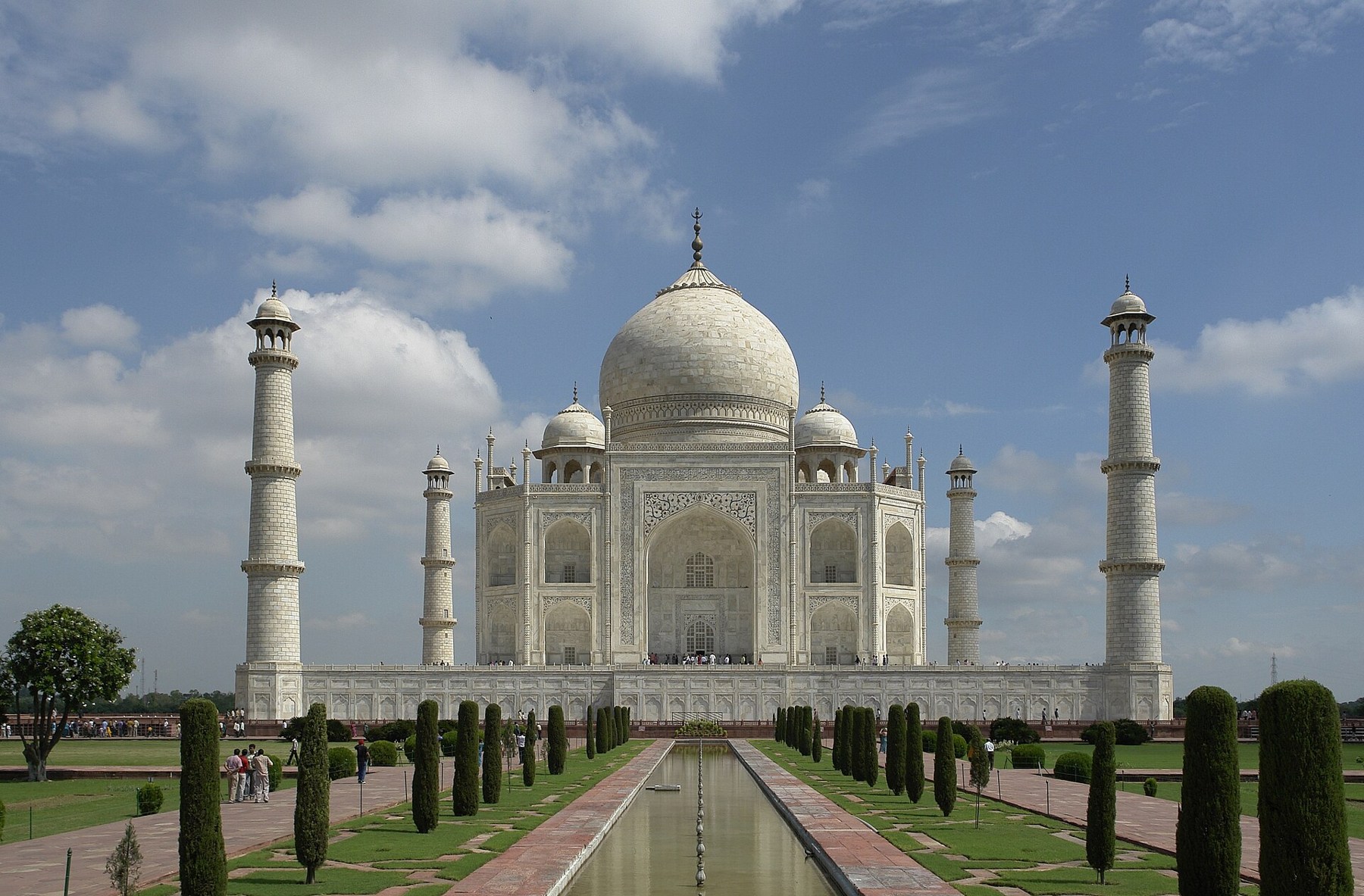
Choose Taj Ganj if the main aim is to walk to the Taj Mahal. Choose Fatehabad Road if a larger hotel and metro access matter more. In either area, the neighbourhood name is less useful than the property’s exact pin and its street route to an entrance that visitors can use.
| Priority | Better place to start searching |
|---|---|
| Walk to the Taj Mahal | Taj Ganj, with the route checked first |
| Larger hotel with more facilities | Fatehabad Road |
| Easy access to the Agra Metro | Near Taj East Gate or Fatehabad Road station |
| Stay in the older settlement beside the monument | Taj Ganj |
| Regular trips by car or auto-rickshaw | Fatehabad Road, depending on the exact pin |
The two labels overlap
Taj Ganj and Fatehabad Road are not two neatly separated hotel districts. Taj Ganj is the area beside the monument’s southern side, while Fatehabad Road runs through the wider accommodation area to the southeast. Some properties use both labels: Mappls, for example, gives Tajview’s address as Fatehabad Road, Taj Ganj (see the mapped address).
Fatehabad Road also describes a long corridor rather than one compact neighbourhood. The Uttar Pradesh Tourism accommodation list includes properties at the Eastern Gate, on Taj Mahal East Gate Road, along Fatehabad Road and in Taj Nagri Phase II (see the official travel-information page). The list contains dated names, tariffs and contact details, so it should not be used to choose a current hotel; it is useful here only for showing how widely the accommodation zone extends.
A booking filter marked “Taj Ganj” therefore does not guarantee a short walk. “Fatehabad Road” can likewise mean a location close to the Taj area or one considerably farther along the road.
Choose Taj Ganj for a walking-first stay
Taj Ganj is the better starting point if the Taj Mahal will organise the stay: an early visit, a return to the room during the day, or time on foot around the monument area. The official visitor page identifies the settlement facing the monument’s South Gate as modern Taj Ganj (check the gate descriptions).
The catch is important: the South Gate is presently closed for entry. Visitors use the East or West Gate. A room close to the south wall may therefore require a longer walk around the complex than its straight-line distance suggests.
Before booking in Taj Ganj, ask the property:
- Which active gate do guests normally walk to—East or West?
- What is the street walking distance, rather than the straight-line distance?
- Is the route suitable with luggage?
- Can the property send an exact map pin?
A Taj Ganj address also does not guarantee a Taj view. If that matters, confirm the view for the specific room category rather than relying on the hotel name or general photographs.
Choose Fatehabad Road for hotel choice and metro access
Fatehabad Road is the more useful search corridor for travellers prioritising full-service hotels, on-site facilities or regular vehicle trips. Uttar Pradesh Tourism’s accommodation list shows numerous large hotels on Fatehabad Road and in Taj Nagri Phase II, although individual listings must be checked directly because the page’s property details may no longer be current (see the accommodation section).
The road also has direct access to the operational Agra Metro corridor. UPMRC’s journey planner shows the stations in this order:
Taj East Gate → Shaheed Captain Shubham Gupta → Fatehabad Road → Taj Mahal → Agra Fort → Mankameshwar Mandir
The planner currently quotes ₹15 from Taj East Gate to Fatehabad Road (check that journey) and ₹20 from Taj East Gate to Agra Fort (check that journey). Recheck fares and operating arrangements near the travel date.
Do not assume every Fatehabad Road hotel is close to Fatehabad Road station. Check the walking route from the hotel to the nearest station as well as the route to the Taj. A claim such as “five minutes from the Taj” may describe a vehicle journey, not a door-to-gate walk.
Match the hotel to an active gate
The official gate descriptions provide the useful geographic distinction:
- East Gate faces the Taj Nature Walk and the Fatehabad side.
- West Gate faces Agra city and the cantonment side.
- South Gate faces Taj Ganj but is presently closed for entry.
This leads to three practical booking tests:
- Old Taj Ganj: verify the route around to the East or West Gate.
- Eastern Taj Ganj or the inner Fatehabad Road area: check whether the East Gate is realistically walkable.
- Farther along Fatehabad Road: plan on the metro, an auto-rickshaw or a hotel-arranged vehicle rather than assuming a walk.
Petrol and diesel vehicles are not permitted in the immediate Taj Mahal vicinity, according to Uttar Pradesh Tourism; battery buses and other non-polluting transport operate there (see the local transport guidance). A road-convenient hotel may therefore still involve a transfer or walk for the final approach.
A five-point check before booking
- Find the exact pin. Ignore the broad Taj Ganj or Fatehabad Road label.
- Map an active entrance. Route to the East or West Gate, not the closed South Gate.
- Check the walking route. Look at street distance and crossings, not only a hotel’s drive-time claim.
- Locate the nearest metro station. This matters if the hotel is not genuinely walkable to the Taj.
- Check the visit day. The Taj Mahal is closed to general visitors every Friday, as stated on the official ticketing page (check current ticket information).
The decision is ultimately simple: pick Taj Ganj when a verified walk to an active gate is the priority; pick Fatehabad Road when hotel facilities, metro access and road connections outweigh the need to walk from the room.